
Why Does the UK Have Bonfire Night? A Seasonal History Explainer
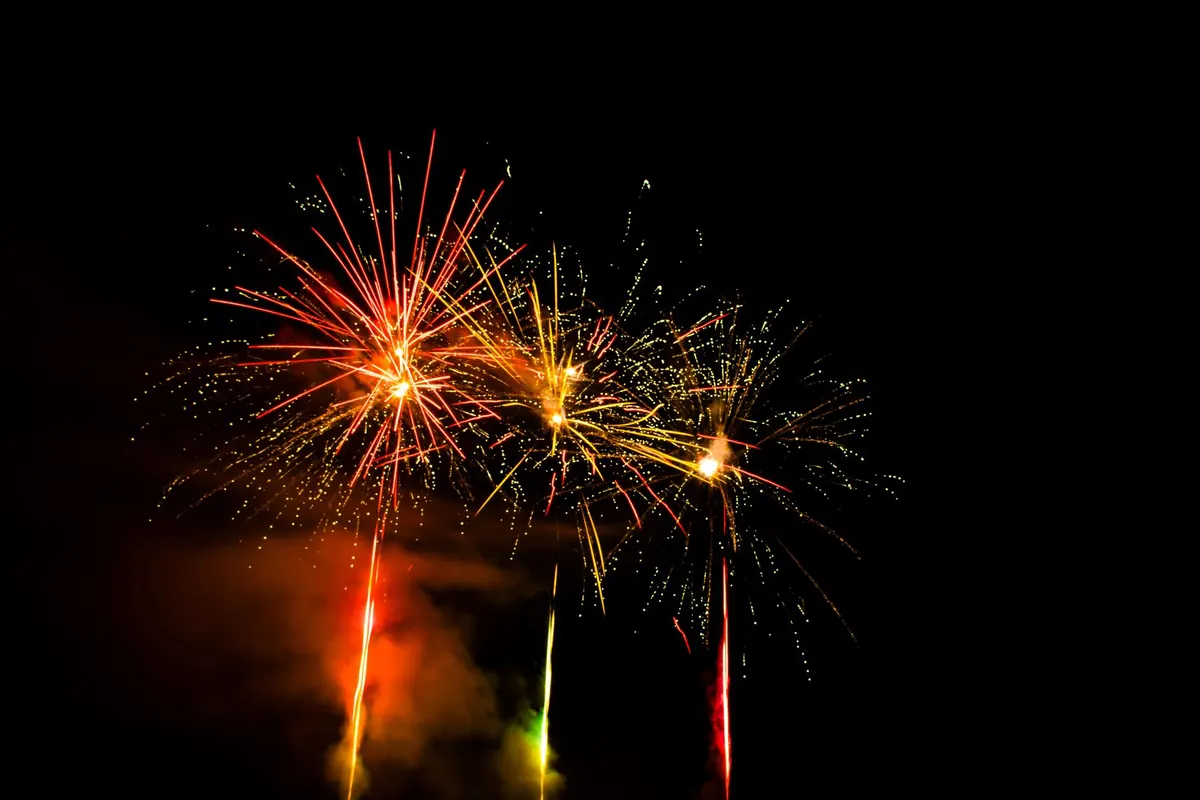
On 5 November, the sky over Britain fills with rockets, the air smells of woodsmoke and frying onions, and at least one dog is hiding under a bed. Bonfire Night is unusual among British traditions because it marks a specific event: a failed attempt to blow up the King and Parliament in 1605. Four centuries on, we are still building bonfires, burning effigies and setting off fireworks in the drizzle.
The Plot Itself: Gunpowder, Treason and a Rented Cellar
The plan was brutal and simple. A small group of Catholic gentlemen, led by Robert Catesby, would blow up the House of Lords while King James I, his family, the bishops and much of the Protestant aristocracy were inside for the State Opening of Parliament, due on 5 November 1605. In the confusion that followed, they hoped, a Catholic rising would put a sympathetic monarch on the throne.
Around a dozen men were drawn into the conspiracy, among them Guy Fawkes, a Yorkshireman who had converted to Catholicism and served as a soldier in Europe. The group rented an undercroft beneath the House of Lords and packed it with barrels of gunpowder — roughly three dozen of them — hidden under firewood and coal.
The whole thing unravelled through a letter. An anonymous warning was delivered to Lord Monteagle, a Catholic peer, advising him to stay away from Parliament. He passed it to the King's advisers. In the early hours of 5 November, a search party found Fawkes in the cellar with a dark lantern, slow matches and touchwood. He was arrested, taken to the Tower of London and tortured until he gave up names. Most of the plotters were hunted down; Fawkes and several others were executed in January 1606.
Why a Group of Catholics Planned to Kill a King
To understand the plot, you need the fifty years before it. Since Elizabeth I's reign, English Catholics had faced fines for refusing to attend Church of England services, restrictions on holding office, and constant suspicion. Mass was said quietly in country houses with hiding places built into the walls for priests.
When James I came south from Scotland in 1603, many Catholics expected relief. It did not arrive. Fines continued, and hardliners concluded that persuasion had failed. That leap — from grievance to gunpowder — is what makes the plot such a darkly memorable story. It was not a rebellion in the open; it was a conspiracy in a cellar.
From News Story to Fixed Date in the Calendar
Parliament's response was to make sure nobody forgot. An Act passed in 1606 required church attendance and a special sermon every 5 November, giving thanks for the King's deliverance. Bells were rung, sermons preached, and bonfires lit. Over time, effigies joined the fires too.
Those early effigies were often of the Pope or the devil rather than Fawkes; the "guy" as we know it developed much later, mostly in the nineteenth century, when children would make a stuffed figure, wheel it around the streets and ask for "a penny for the Guy". The legal requirement for official commemoration was dropped in 1859, but by then the habit was far too well established to fade.
Remember, remember, the fifth of November,
Gunpowder, treason and plot.
That rhyme, chanted by generations of children, is the reason most of us know the story at all.
What Actually Happens on the Night
However it is marked locally, most 5 November celebrations share the same handful of ingredients:
- A bonfire, usually built from pallets and scrap wood, lit at dusk.
- Fireworks — from a modest box in the garden to a choreographed display with a PA system.
- An effigy, still burned in some towns and quietly dropped in others.
- Food that can be eaten standing up: jacket potatoes, soup, hot dogs, toffee apples.
- A crowd of neighbours who mostly see each other once a year, in hats.
Regional variations worth knowing
Bonfire Night is not one event but dozens. In Lewes, East Sussex, several bonfire societies hold costumed processions and large displays, and the town also commemorates the seventeen Protestant martyrs burned there during Mary I's reign. Streets close early and the atmosphere is closer to a carnival than a village fireworks show.
In Ottery St Mary, Devon, locals carry flaming tar barrels through the streets — each barrel traditionally sponsored by a pub. It is loud, smoky and not remotely suitable for small children. Bridgwater in Somerset has its own tradition of "squibbing", with a line of people holding poles of fireworks alight along the street on the Friday nearest 5 November.
Elsewhere the emphasis shifts. In much of Scotland, 5 November is more about fireworks and friends than about the plot itself, and in Northern Ireland the largest loyalist bonfires fall on 11 July, the Eleventh Night, rather than in November. Village cricket clubs, rugby clubs and parish halls across England, though, still run the classic display: a muddy field, a tin hut selling tea, and one firework that goes sideways.
Food and the Small Rituals
Bonfire food is deliberately plain and warming. Yorkshire's contribution is parkin, a sticky oat-and-treacle cake that improves for days in a tin. Bonfire toffee — hard, dark and slightly dangerous to teeth — turns up in the north, while toffee apples and cinder toffee appear almost everywhere.
If you are feeding a crowd, a flask of soup and a tray of baked potatoes do more work than anything fancy. Cold hands make people hungry, and standing outdoors for two hours is best met with something you can hold in one hand while the other stays in a pocket.
Making the Most of 5 November
A little planning makes the evening far better. Organised displays usually sell tickets in advance, and the bigger ones sell out; village displays are cheaper, smaller and often just as good.
If you are staying at home, keep a few things in mind. Bring pets indoors before dark, draw the curtains, and put the radio or television on to mask the bangs; walk the dog earlier in the day rather than during the display. If you build your own bonfire, construct it on the day rather than leaving a pile of wood sitting for a week — a ready-made log pile is exactly where a hedgehog would choose to sleep, so check it over before you light anything.
With sparklers, hand them out one at a time, provide gloves, and keep a bucket of water nearby for spent ones. Wrap up in layers and take a torch for the walk home. And if you are setting off fireworks yourself, follow the instructions on the box, keep well clear of sheds, hedges and other people's washing lines, and keep to sensible hours so the neighbours — and their dogs — get some peace.
Photo: John Davis / Pexels