
A Beginner's Checklist for Identifying UK Garden Birds by Sound
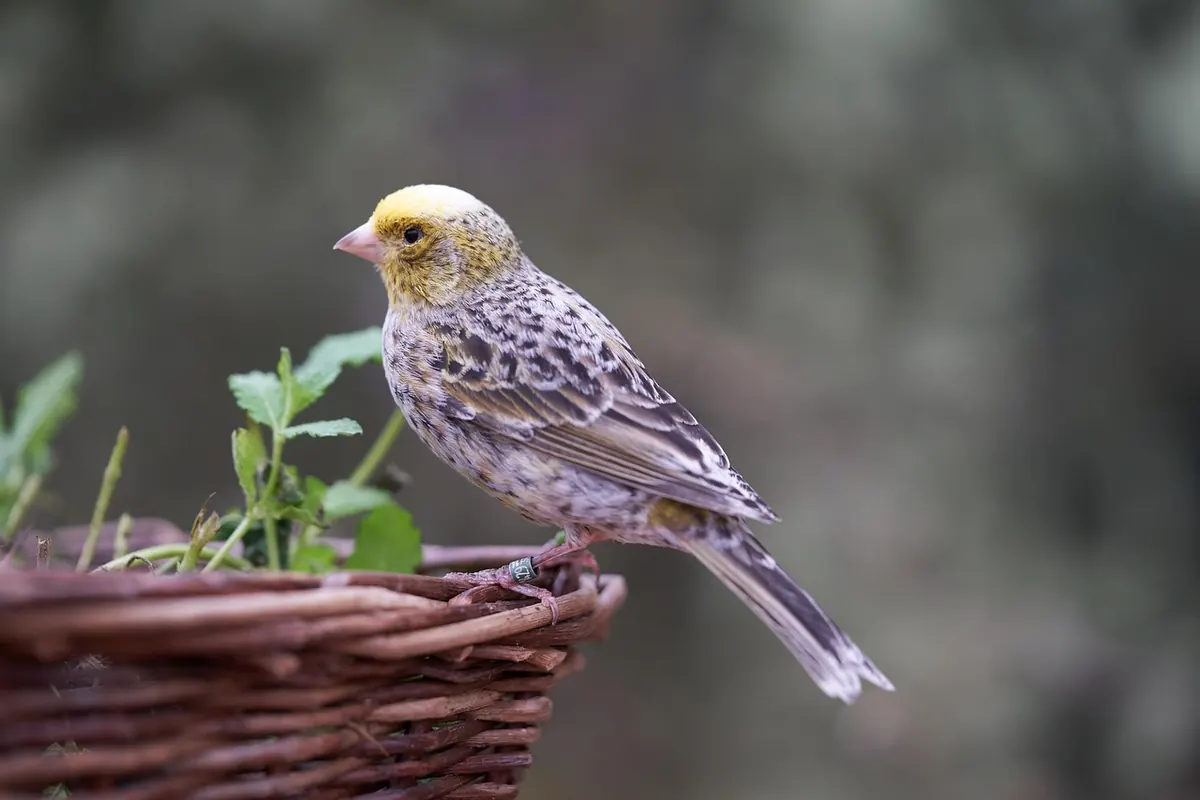
Most gardens hold a dozen or more bird species, and on a calm morning you'll hear nearly all of them before you see one. The skill isn't superhuman hearing. It's learning songs by shape — how many notes, how fast, whether they repeat — and adding one bird at a time rather than trying to swallow the whole dawn chorus in a single spring. What follows is a seasonal order of play, plus the small details that sort out the birds most of us mix up.
Start with the four you already half-know
Four voices do most of the work in a British garden, and you probably recognise them without realising it.
Robin. A thin, silvery warble that seems to wander without settling, with pauses that feel faintly wistful. Robins sing almost all year, including mild winter days, and often after dark under street lights. The call — the sound you hear when two birds argue over a feeder — is a sharp, dry tic.
Blackbird. Richer and lower than a robin, built from mellow, fluty phrases, each one finished before the next begins. There is air between the notes. The alarm is unmistakable: a clattering chook-chook-chook, plus a thin, high tseee when a cat or sparrowhawk is about.
Great tit. Two clear notes, the second slightly lower, repeated with a pause: tea-cher, tea-cher. By midsummer it has switched to a grating, saw-sharpening chee-chee-chee, which plenty of people never connect with the same bird.
Woodpigeon. Five rolling notes with a stress on the second — coo-COO-coo, coo-coo — usually delivered from a roof or high branch, often for what feels like hours.
Spring: the dawn chorus has an order
From late March into June, the chorus starts before sunrise and rolls out in a rough sequence. Listen for the changeovers rather than trying to name everything at once.
- Robin first, sometimes an hour before light, thin and clear in the dark.
- Song thrush next: loud, ringing phrases, each one repeated two or three times before it moves on. That repetition is the giveaway.
- Blackbird joins as the sky greys, singing from a rooftop or chimney pot.
- Wren bursts in — astonishingly loud for a bird the size of a walnut, a fast tumble of notes ending in a hard rattle.
- Tits, dunnocks, goldfinches and sparrows fill in as the light arrives, and the whole performance fades within an hour of sunrise.
Dunnocks sing a hurried, squeaky, almost tuneless warble with no clear pattern; if you can't hum it back, it's probably a dunnock. Mistle thrushes, sometimes called storm cocks, deliver a harsher, more melancholy version of the blackbird's song, often in wind and rain and from the highest tree in the area.
Summer: the ones you hear but rarely see
Chiffchaffs arrive in March and April and sing their own name: two notes, chiff-chaff-chiff-chaff, steady and slightly monotonous. They keep going into July, often when other birds have gone quiet.
Blackcaps sound like a blackbird that has been to jazz school — a rich warble that begins scratchy and turns flutier. They hide in dense cover, so the song is often the only evidence they are there at all.
Goldfinches fly over with a liquid, tinkling twitter and a bouncing flight; the contact call is a bright tick-itt. And a screaming party of swifts overhead on a warm evening means summer is properly underway.
Autumn and winter: thin voices and contact calls
The chorus stops, but the garden doesn't go silent. Winter listening is mostly about calls — short, functional sounds that keep flocks together and warn of danger.
Blue tits give a high, thin tsee-tsee-tsee; great tits a ringing pink-pink. Goldcrests, our smallest birds, produce an almost impossibly high, needle-thin run of notes that rises and falls in pitch — if it seems to sit right at the edge of hearing, that's the one. Listen for the thin tseee of redwings and fieldfares overhead on cold mornings, and for the robin's wistful song returning in late December, which many people take as a sign the days are turning.
At dusk, a tawny owl's quavering hooo or sharp kee-wick can carry across a whole street.
Three questions that sort out the tricky pairs
When two songs sound similar, don't hunt for the perfect description. Ask these instead:
- Does it repeat? A song thrush repeats each phrase two or three times. A blackbird never does.
- How many notes, and does it speed up? Great tit: two notes, slow and deliberate. Coal tit: a faster, higher, thinner version, often see-see-see. Chiffchaff: two notes, even and unvarying. Willow warbler: a soft descending cascade that slides away at the end.
- Where is it coming from? Wrens sing from low cover and flick their tails. Goldcrests and coal tits work the tops of conifers. Dunnocks skulk under shrubs. Robin or dunnock? The robin's warble has shape and pauses; the dunnock's is a rushed mumble.
Your first ten minutes outside
Pick one calm, dry morning this week and stand still in the garden for ten minutes. No phone, no radio, no tidying. Close your eyes, cup your hands behind your ears if it helps, and note what you hear rather than what you can name. Then choose a single bird — usually the loudest — and learn only that one until you can recognise it from indoors.
Recording helps. A voice memo on your phone, held still and pointed at the sound, is enough to compare later against a field guide or a birdsong recording. Keep notes by season, because the same bird often has two or three different things to say across the year, and the call is frequently more useful than the song.
Above all, be patient with yourself. Ears learn slowly, then suddenly. One spring you'll step outside, hear a thin warble in the dark, and know exactly who it is without thinking about it.
Photo: RoyBuri / Pixabay